What is your dogs ideal weight?
Every dog is perfect in our eyes, but their weight might not be…
The best way to determine if your dog is a healthy size is by assessing their shape and weight. Each breed has its own specific weight range, and different breeds distribute their weight uniquely.
For example, dogs such as Greyhounds have a higher proportion of muscle distributed more evenly, whereas large breeds such as Great Danes and Mastiffs experience a more forward-shifted weight distribution.
Because of these differences, it’s important to be aware of:
- The ideal body shape for your dog’s breed, assessed using a body condition score
- The ideal body weight for your dog’s breed and sex.
If you unfortunately realise that your dog is underweight or overweight, don’t worry! There is plenty you can do to get them back on track, and our team at sure4pets are happy to support you along the way.
Body Condition Score
Body composition is a simple and visual way to assess if your dog is in good shape, and it’s simple to do. The best thing? Your pup will likely be grateful for the extra petting and attention!
To complete a body composition test:
- Gently run your hands over your dog’s back and sides. You should be able to feel their spine, ribs, and hips, but they shouldn’t be visibly protruding.
- Carefully examine the base of their tail where it meets the body. There should not be any fat there,
- Feel their stomach. Does it tuck in, bulge out, or is it neutral?
- Observe your dog from the side and from above. Their waist should have a slight inward curve.
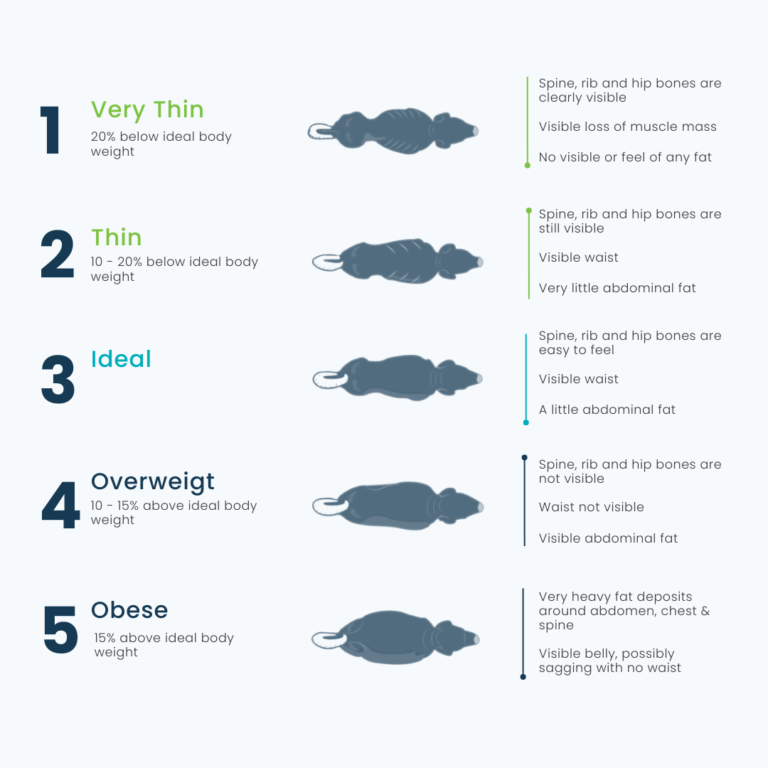
Their weight should ideally fall within the middle of this scale, with underweight or overweight dogs scoring higher or lower.
A healthy dog will have a slight hourglass shape when viewed from above. From the side, their torso should slope upward towards their hind legs.
Different breed, different body
Different dog breeds have slight variations in their ideal body composition.
Some breeds, like whippets, greyhounds, and certain sighthounds like Borzoi, are naturally lean, so it’s not unusual to see their ribs. However, you should not be able to see their hips or spine.
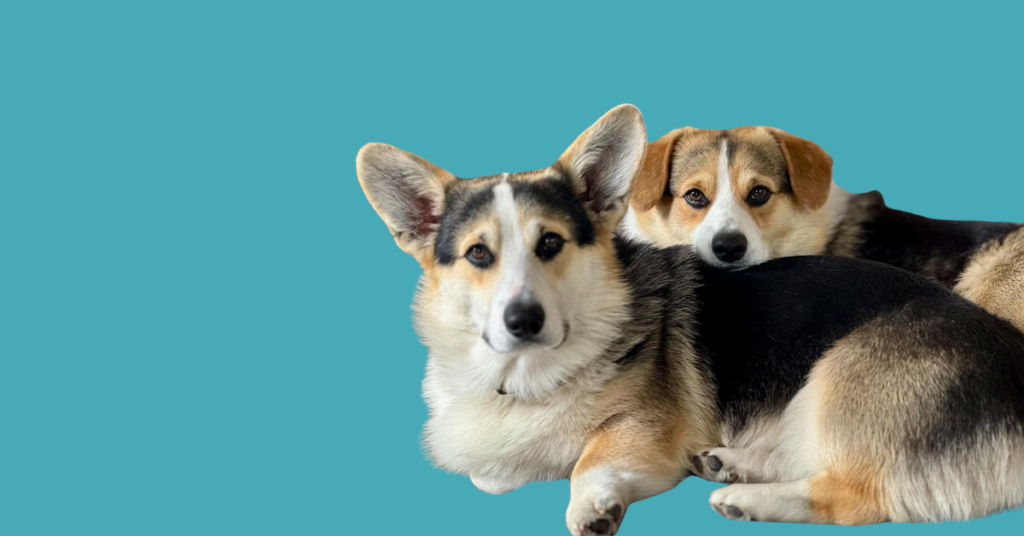
Other breeds, such as corgis, carry more muscle and can appear a bit stocky, even when they are at a healthy weight.
Coat length can also make assessing body composition challenging. The best times to feel your fluffy dog’s body weight is after a haircut or when they are wet – but this can be tricky! A longer coat can conceal an underweight dog, so it’s important to get regular haircuts and check your dog’s body conditions.
Why do dogs gain or lose weight?
Just like you, your dog’s weight can naturally fluctuate with the seasons and throughout their life. A dog may lose weight due to:
- Aging
- Increased activity
- Cold weather, as they use more energy to stay warm
- Insufficient calorie intake from their food
A dog may gain weight due to:
- Reduced activity (perhaps because of injury or hot weather)
- Consuming too many calories, be it food or treats
- Potential underlying medical conditions
There has also been a noticeable rise in canine obesity in the UK, with approximately 46-50% of dogs being considered overweight or obese.
How can I help my dog maintain a healthy weight?
Here at sure4pets, we recommend switching your dog over to a SARFTM diet (species-appropriate raw food) that not only provides all the nutrients your dog needs, but is also entirely natural.
With a SARFTM diet, you don’t need to worry about your dog ingesting excessive calories or missing out on their nutritional well-being, as it takes care of all of that for you. Our online raw feeding calculator at the bottom of our homepage can help you gain a better understanding of the appropriate amount to feed your furry friend!
Other key ways to help your dog maintain a healthy weight include:
- Taking your dog on daily walks and encouraging exercise
- Using interactive puzzle feeding toys to slow down eating
- Reducing treats and snacks if you suspect current consumption is excessive
Maintaining your dogs ideal weight might seem like a challenge, but our experts at sure4pets are here to prove otherwise! Feel free to pop into our store and chat to our experts on making the switch today. Alternatively, take a look at our selection of raw food options here.