Hypothermia occurs when a pet’s body temperature falls to dangerously low levels. While most pets can handle a minor decrease in body temperature, a significant or rapid drop can lead to:
- Slow, irregular heartbeat
- Kidney damage
- Gut damage
- Blood vessel damage
- Heart damage
- Electrolyte imbalances
- Blood clots
- Weakened immune response to infections
What causes hypothermia?
Cold Environments: While your pet’s fur provides some insulation, it has its limits. Prolonged exposure to cold without access to a warm space can increase the risk of hypothermia. Pets that are young, elderly, frail, small, or newborn are particularly vulnerable, so extra care should be taken to keep them warm. Purchase your dog a coat to ensure they’re warm on your winter walks!
Getting Wet: If your pet dries off quickly after getting wet, they are less likely to become cold. However, staying wet—especially in cold conditions or after exposure to very cold water—can lead to hypothermia. This risk is higher if your pet remains inactive in such circumstances.
Blood Loss: Blood circulation helps maintain body temperature. Significant blood loss can impair this ability, making your pet more susceptible to hypothermia.
Symptoms of hypothermia
Signs of hypothermia in pets may include:
- Shivering: Shivering is the body’s natural way of generating heat. However, in cases of severe hypothermia, your pet may stop shivering altogether.
- Drowsiness, Confusion, and Clumsiness: Affected pets may appear lethargic, disoriented, or unsteady on their feet.
- Pale Gums: Reduced circulation due to cold can cause gums to appear pale or bluish.
- Loss of Consciousness: In extreme cases, can lead to collapse, unconsciousness, or even coma.
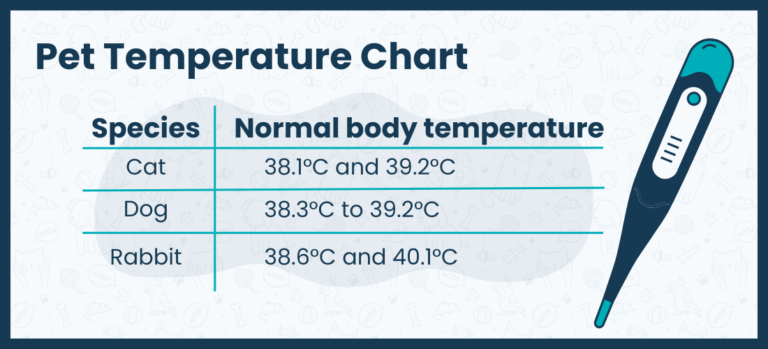
How to treat hypothermia
Dogs with hypothermia need to be warmed up gradually—focus on “warm” rather than “hot.”
Important: Avoid using heating pads, as they can overheat the skin, causing burns or drawing excessive blood flow to the skin, which may worsen shock.
Here’s how to help a dog with hypothermia:
- Move to a Warm Location: Get your dog into a warm building or vehicle as quickly as possible.
- Wrap Them Up: Use blankets, towels, coats, or similar items to wrap your dog. If possible, warm the blankets beforehand using a radiator, clothes dryer, or hairdryer.
- Add Warm Water Bottles: Place bottles filled with warm (not hot) water next to your dog, ensuring there’s a layer of fabric between the bottles and their skin to prevent burns.
Still need more help? Contact us!
Follow us on Instagram for more knowledge about animals!