Free LOCAL Shipping on orders over £20.00 T&C’s Apply

How to Keep Your Pets Safe in the Winter

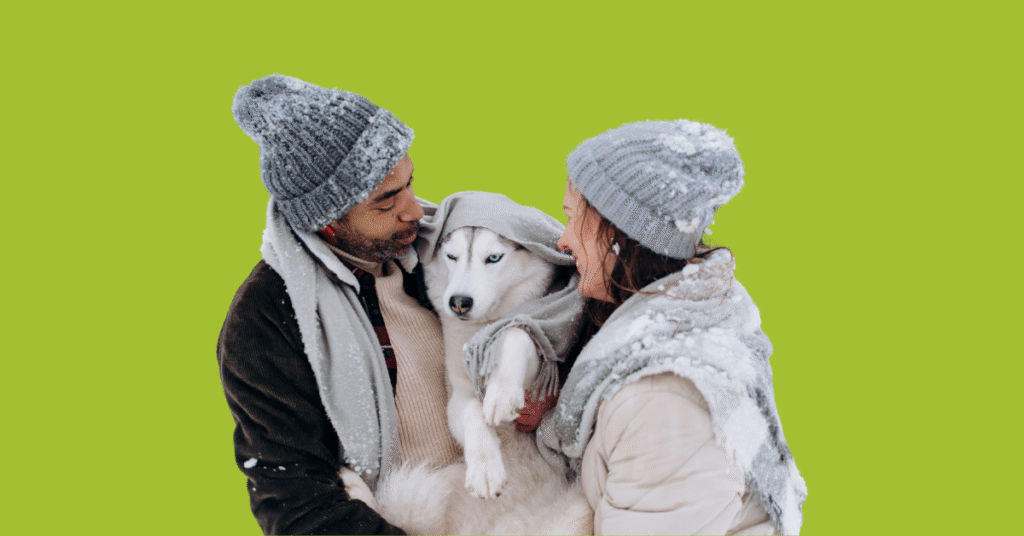
Happy couple holding a dog wearing warm winter clothes outside in the snow, illustrating how to keep pets safe this winter.

Winter can be a magical season, with its sparkling snow and crisp air, but it also comes with unique challenges—especially for our furry friends. As temperatures drop and conditions turn icy, keeping your pets safe and comfortable becomes a top priority. 

From proper shelter to avoiding seasonal hazards, a little preparation goes a long way in ensuring your pets stay healthy and happy throughout the cold months. In this blog, we’ll share essential tips and strategies to help you navigate winter with your pets, so you can enjoy the season worry-free while prioritising their wellbeing. Let’s make this winter as cozy and safe as possible for your beloved companions!

Keeping Your Animals Safe and Comfortable

Winter weather can pose challenges for our beloved pets. By taking simple precautions, you can ensure their safety and comfort during the colder months. Here are some essential tips to help protect your pets this winter:

Care for Outdoor Pets

Outdoor pets like rabbits and guinea pigs need extra attention during cold weather. When temperatures drop below freezing, consider moving rabbits indoors, and house guinea pigs inside when temperatures fall below 15°C.  

If they remain outside, provide additional bedding and ensure their shelter is weatherproof with insulating yet ventilated covers. Place hutches in a sheltered position, raised off the ground (at least 10 cm or 4 inches), and ensure the roof is sloped for water runoff. 

Keeping Cats Cosy

Make sure cats have constant access to a warm indoor area, such as a house, outbuilding, or barn. Their bedding should be warm, dry, and positioned away from drafts. 

Prevent Poisoning Hazards

Antifreeze and rock salt, commonly used during winter, are toxic to pets. Store these products securely out of reach. If you suspect your pet has ingested anything harmful, contact your vet immediately. 

Dry and Warm

If your pet gets wet or cold, gently dry them with a towel and provide plenty of warm bedding to ensure they are comfortable. 

Dressing for Cold Walks

Older, younger dogs or sick dogs may benefit from a coat or jumper for warmth. Ensure it fits well and allows them to behave normally, such as going to the toilet. 

Winter Walks and Safety

When walking dogs in the dark, wear reflective clothing and consider reflective gear for your pet too.  Avoid frozen ponds, lakes, or rivers, as these pose serious risks. Regularly check your dog’s paws for snow buildup or irritation. 

Caring for Birds and Aviary Animals

Protect aviary birds from the cold by providing extra bedding, such as straw, and covering enclosures to block wind and rain. Birds require more food during cold weather to maintain their energy levels, so ensure they have ample food and fresh water, checking regularly to prevent freezing. 

Horses and Livestock

Provide adequate shelter, extra feed, and regular water checks for horses and livestock. Use waterproof rugs for additional warmth and ensure they have dry standing areas. Inspect hooves regularly for mud fever or loose shoes.  

By staying vigilant and proactive, you can help your pets—and even local wildlife—weather the cold season safely and comfortably.

Want to learn more about how to keep your pets safe? Follow us on Instagram!

We are driven to help pets live longer, happier and healthier lives with raw food. For more information on how we can help you and your pet get in touch!

Cart

    Subtotal: £0.00