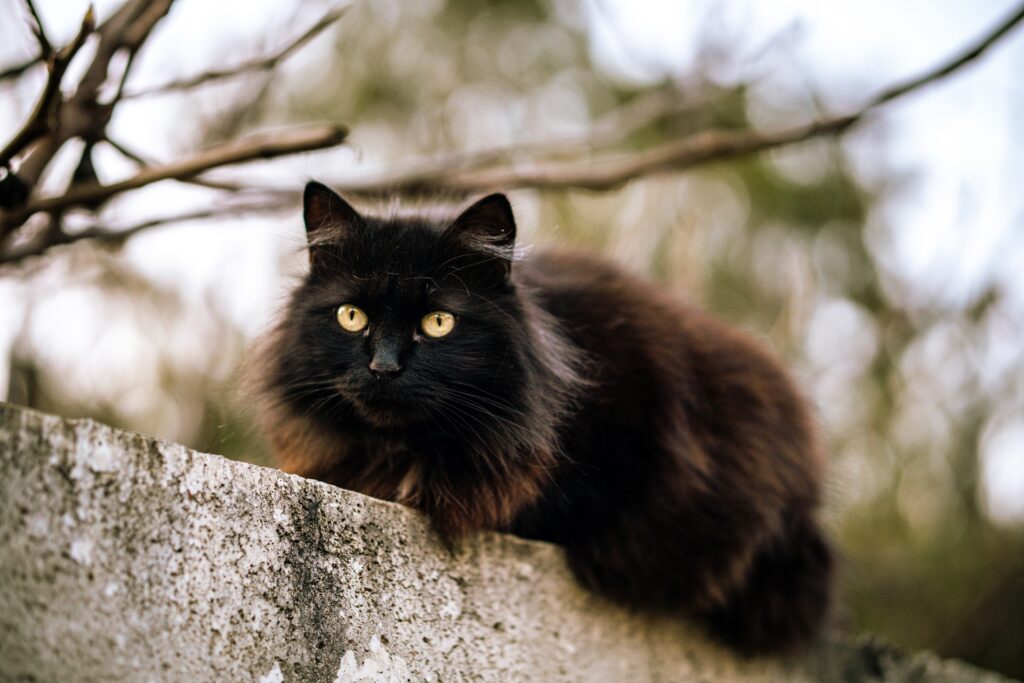
What is Heatstroke?
Heatstroke is a critical condition that occurs when a cat’s body temperature rises to dangerous levels, making it impossible for them to cool down naturally. This condition typically begins with heat exhaustion, which results from an inability to dissipate excess heat or from dehydration due to a hot environment.
Are Cats Prone to Heatstroke?
Cats generally have a low risk of heatstroke as they are adept at keeping themselves cool if they have access to shaded areas, varying temperatures, and water. However, certain cats are more vulnerable:
– Flat-faced breeds (e.g., Persians)
– Cats that become stressed in hot weather
– Very young or old cats
Cats often seek out warm places like conservatories, greenhouses, or sheds. Accidentally being trapped in these areas with poor air circulation, especially in summer, can increase the risk of overheating. Additionally, inadequate fresh water on hot days can lead to dehydration and heat exhaustion. Monitoring your cat closely can help prevent overheating.
Recognising Heatstroke in Cats
Signs and symptoms of heatstroke in cats include:
– Restlessness
– Rapid breathing or panting
– Drooling
– Confusion
– Vomiting
– Diarrhea
– Collapsing
Immediate Actions if You Suspect Heatstroke
If you suspect your cat is experiencing heatstroke:
- Remove them from the hot environment immediately.
- Wet their coat with lukewarm water using a cloth.
- Place them in a cool and safe location.
If none of these actions help to cool down your furry companion, seek medical assistance.
Ensure cooling is gradual to avoid shock and further stress, which can elevate their body temperature. If transporting your cat to the vet, keep the carrier well-ventilated and the car cool.
How Cats Stay Cool
Cats have several strategies to stay cool in hot weather:
– They engage in physical activities like hunting and exploring during cooler parts of the day.
– They seek shady spots to rest when temperatures rise.
– They sweat through their paw pads, sometimes leaving damp footprints, which also occurs when stressed.
– Grooming helps remove excess heat-trapping fur and provides a cooling effect.
Preventing Heatstroke in CatsAdd Your Heading Text Here
– Provide ample fresh water at all times, with multiple water stations around the house and outside.
– Be aware of their whereabouts and check sheds or similar places before closing doors.
– Encourage them to stay indoors during the hottest parts of the day and create cool, well-ventilated spaces indoors.
– Offer shady spots in the garden, using safe plants/bushes or a shelter away from direct sunlight.
– Avoid encouraging play or exercise during the hottest times of the day or during heatwaves.
– If possible, avoid non-urgent vet visits during extreme heat.
Creating an Outdoor Shelter for Your Cat
For cats that enjoy roaming outside, providing shaded retreats in the garden is beneficial. Options include:
– Cool shade under bushes or trees
– Outdoor shelters that offer protection from the sun
Ensure the shelter is in a shaded area with good ventilation and easy access to prevent entrapment and overheating. You can use a sheet to create a shaded area or place garden furniture to provide shade while allowing for a breeze.
Looking for more advice regarding your pets? Check out our blogs today!